


“Be not overcome of evil, but overcome evil with good.” — Romans 12:21
What if this verse applies not only to how we treat others—but also to how we treat our bodies?
In a world flooded with processed foods, artificial ingredients, and convenience-driven choices, “evil” doesn’t always look dramatic. Sometimes, it looks like slow neglect. Mindless eating. Choosing what harms instead of what heals.
But Scripture offers a different way.
A better way.
What Does It Mean to “Overcome Evil with Good”?
In Romans 12:21, Paul calls believers to an active response:
Not just resisting evil—but replacing it with good.
This principle is powerful when applied to health:
- Not just avoiding unhealthy food
- But choosing nourishing, life-giving food
- Not just breaking bad habits
- But building God-honoring ones
Healthy eating, from a biblical perspective, isn’t about restriction—it’s about transformation.
The Hidden “Evil” in Modern Eating
Let’s be honest—most people aren’t intentionally harming their bodies.
But modern food systems often work against God’s design.
Subtle Ways Harm Creeps In:
- Ultra-processed foods stripped of nutrients
- Additives and chemicals that burden the body
- Overeating due to emotional or stress triggers
- Ignoring hunger and fullness cues
None of this aligns with the way God originally designed food in Genesis 1:29:
“Behold, I have given you every herb bearing seed… and every tree… to you it shall be for meat.”
God’s original diet was simple, whole, and life-giving.
Food Is Not Just Physical—It’s Spiritual
We often separate faith and food—but the Bible doesn’t.
In 1 Corinthians 6:19–20, we’re reminded:
“Your body is the temple of the Holy Ghost…”
That means:
- What you eat matters
- How you eat matters
- Why you eat matters
Every bite becomes an opportunity to either:
👉 Honor God
👉 Or ignore His design
Replacing, Not Just Removing
Many people fail at healthy eating because they focus only on what to cut out.
But Romans 12:21 teaches a better strategy:
👉 Replace evil with good
Instead of:
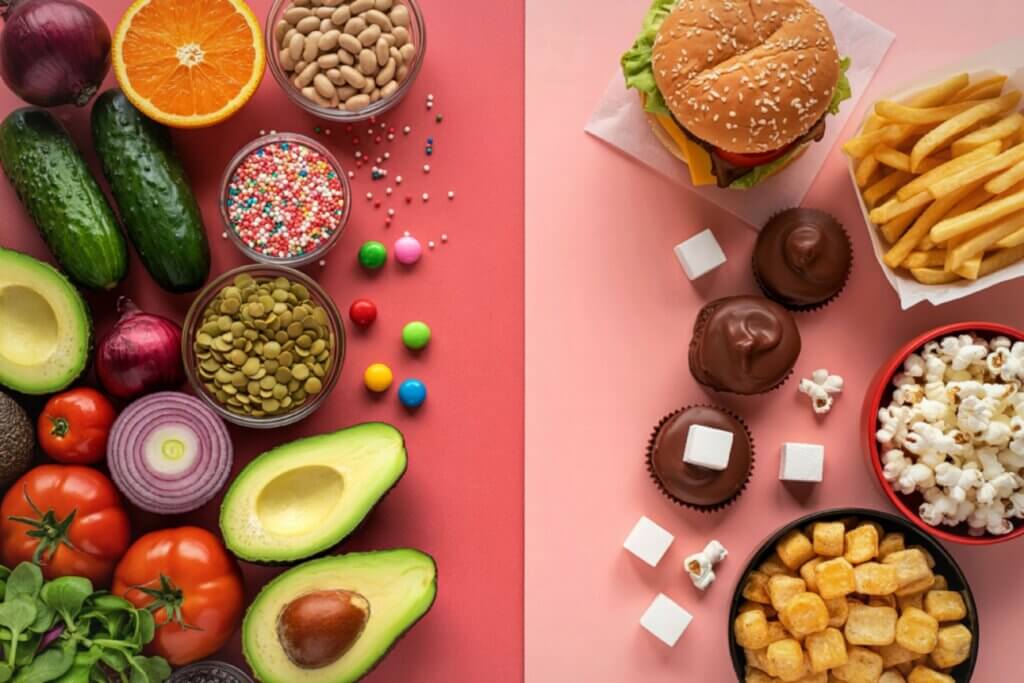
- Sugary snacks → Choose fresh fruit
- Processed meals → Prepare whole-food dishes
- Mindless eating → Practice intentional nourishment
This shift changes everything.
It moves you from:
❌ Deprivation
to
✅ Purposeful living
The Power of Small, Consistent Choices
Transformation doesn’t happen overnight.
It happens through daily decisions.
In Galatians 6:9, we’re encouraged:
“Let us not be weary in well doing…”
Every healthy choice:
- Strengthens discipline
- Builds momentum
- Aligns you more closely with God’s design
Even small changes—done consistently—create lasting impact.
Overcoming Emotional Eating with Truth
Not all eating is about hunger.
Sometimes it’s about:
- Stress
- Loneliness
- Boredom
- Comfort
But food was never meant to fill spiritual or emotional gaps.
In Matthew 4:4, Jesus says:
“Man shall not live by bread alone…”
True satisfaction comes from God—not food.
When the urge hits:
Pause and ask:
- Am I physically hungry?
- Or am I seeking comfort?
Then respond with truth—not impulse.
Building a Bible-Based Eating Lifestyle
If you want to overcome harmful patterns, you need a foundation.
1. Choose Whole, God-Created Foods
Focus on:
- Fruits
- Vegetables
- Whole grains
- Nuts and seeds
2. Be Intentional, Not Reactive
Plan meals. Prepare ahead. Stay mindful.
3. Practice Gratitude
Before eating, thank God.
Gratitude shifts your mindset from:
👉 Consumption → to → Connection
4. Listen to Your Body
God designed your body with signals—honor them.
This Is Not About Perfection
Let’s be clear:
You don’t need to eat perfectly to honor God.
This journey is not about guilt—it’s about growth.
When you slip:
- Don’t quit
- Don’t shame yourself
- Simply return to what is good
Because overcoming evil is not a one-time victory…
It’s a daily choice.
A Deeper Perspective: Food as Worship
Healthy eating becomes powerful when you see it as worship.
In Colossians 3:23:
“Whatsoever ye do, do it heartily, as to the Lord…”
Yes—even eating.
That means:
- Preparing meals with care
- Choosing foods with intention
- Honoring your body with discipline
All become acts of devotion.
Final Thoughts: Choose Good, One Bite at a Time
You don’t overcome evil by focusing on it.
You overcome it by choosing something better.
Every time you:
- Choose whole over processed
- Choose discipline over impulse
- Choose nourishment over neglect
You are living out Romans 12:21 in a practical, powerful way.
Reflection Question
What is one “good” choice you can make today that aligns your eating with God’s design?
Start there.
FAQ
What does “overcome evil with good” mean in healthy eating?
It means replacing harmful food habits with nourishing, God-designed choices instead of just trying to avoid unhealthy foods.
Does the Bible talk about healthy eating?
Yes. From Genesis 1:29 to 1 Corinthians 6:19, the Bible connects food, health, and spiritual stewardship.
How can I stop unhealthy eating habits?
Focus on replacing—not removing—habits. Build consistent, small changes rooted in biblical principles.
Is healthy eating a spiritual practice?
It can be. When done intentionally, eating becomes a way to honor God and care for your body as His temple.