

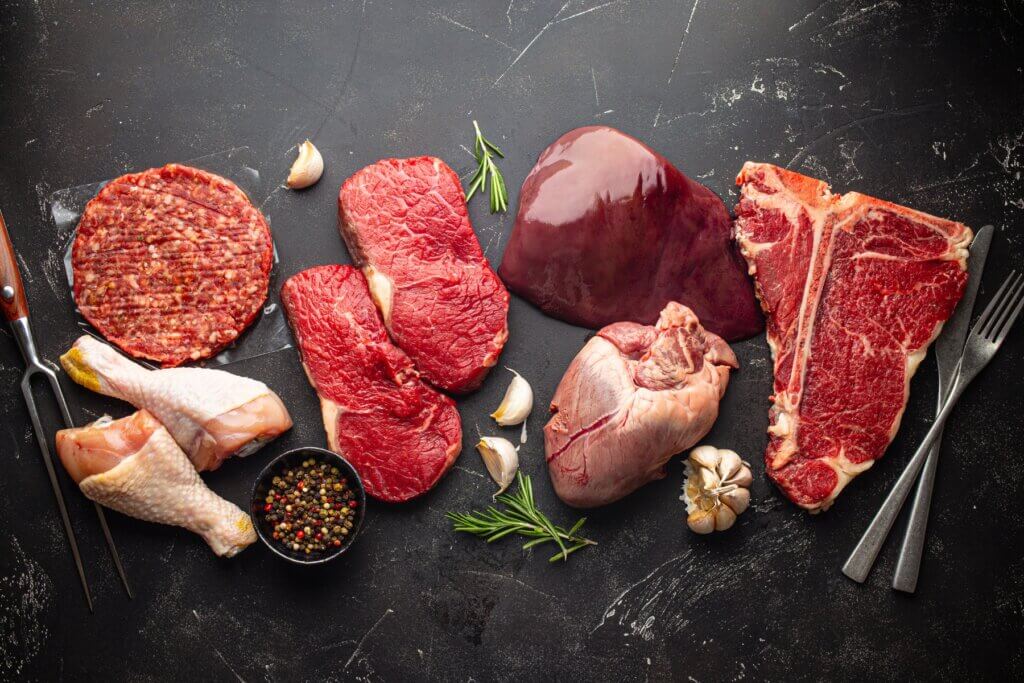

When you come across the word “unclean” in Scripture, it can feel confusing—especially when it’s tied to food, health, and daily living.
Does “unclean” mean dirty? Sinful? Forbidden? Or something deeper?
If you’re seeking to align your lifestyle with God’s design, understanding this one word can completely transform how you read the Bible—and how you approach what you eat.
Let’s unpack it clearly, simply, and biblically.
What Does “Unclean” Mean in the Bible?
In the Bible, the word unclean refers to something that is not suitable, not set apart, or not intended for a specific use—especially in relation to God’s holiness and human well-being.
It does not always mean sinful, but it does mean not in harmony with God’s design in that context.
You’ll find this concept clearly outlined in Leviticus 11, where God distinguishes between clean and unclean animals.
“These are the beasts which ye shall eat…” (Leviticus 11:2)
From there, God carefully explains what is acceptable—and what is not.
Clean vs. Unclean: A Divine Distinction
God created a system that is both simple and intentional.
Clean and unclean distinctions show up most clearly in food:
Clean Animals
- Chew the cud
- Have split hooves
Unclean Animals
- Do not meet both conditions
This means animals like cows and sheep are considered clean, while pigs—though they have split hooves—are unclean because they do not chew the cud.
But this distinction goes beyond animals.
Unclean Doesn’t Always Mean Sinful
This is where many people misunderstand the Bible.
Being “unclean” is often about condition, not character.
For example, in Leviticus:
- Touching a dead body made someone unclean
- Certain illnesses made a person unclean
- Even childbirth caused temporary uncleanness
These were not sins.
They were states that required separation, restoration, or cleansing.
👉 In other words, unclean meant “not ready for sacred use” or “not aligned with holiness in that moment.”
Why Did God Establish Clean and Unclean Laws?
God’s instructions are never random. They serve purpose—often more than one.
1. Protection of Health
Many unclean animals are scavengers or carry higher risks of disease. These laws helped protect people physically.
2. Spiritual Awareness
Daily choices—even what you eat—were meant to remind God’s people that they were set apart.
3. Order and Design
God is a God of order. These distinctions reflect intentional design, not arbitrary restriction.
“Unclean” in the New Testament: Has Anything Changed?
This is one of the most debated topics.
Let’s look at two commonly misunderstood passages.
Peter’s Vision in Acts 10
Peter sees a sheet filled with unclean animals and hears a command to eat.
At first glance, it seems like the food laws have changed.
But Peter later explains the meaning:
“God hath shewed me that I should not call any man common or unclean.” (Acts 10:28)
This vision was about people, not permission to eat unclean animals.
Jesus’ Teaching in Mark 7
Jesus discusses what truly defiles a person.
The context?
- Religious traditions
- Ritual handwashing
Not dietary laws.
Jesus focuses on the heart—what comes out of a person—not redefining what God already established as food.
A Deeper Meaning: Holiness and Alignment
At its core, “unclean” is about alignment.
It points to anything that:
- Disrupts God’s design
- Separates from holiness
- Is not beneficial for the body or spirit
This gives us a powerful lens for modern life.
Instead of asking:
❌ “Is this allowed?”
We begin asking:
✅ “Is this aligned with God’s design?”
How This Applies to Your Diet Today
If you’re pursuing a Bible-based lifestyle, this matters.
Understanding “unclean” helps you:
- Make intentional food choices
- Avoid what may harm your body
- Embrace what nourishes and restores
For many, this leads to reducing or eliminating foods the Bible calls unclean—like pork and certain seafood.
Not out of fear.
But out of faith and wisdom.
Your Body Is a Temple
Scripture reminds us in 1 Corinthians 6:19:
“Your body is the temple of the Holy Ghost…”
That means what we put into our bodies matters.
“Unclean” isn’t just an ancient label—it’s an invitation to:
- Honor your body
- Live with intention
- Reflect God’s design in daily choices
Final Thoughts: More Than a Rule—A Revelation
“Unclean” is not about shame or restriction.
It’s about understanding the difference between:
- What God designed for your good
- And what falls outside of that design
When you begin to see it this way, everything shifts.
Your diet becomes more than food.
It becomes a form of worship.
FAQ: What Does “Unclean” Mean in the Bible?
Does “unclean” mean sinful?
No. It often refers to a condition or state, not moral wrongdoing.
Why were certain animals called unclean?
Likely for health, symbolic, and design-based reasons—reflecting what is best for the human body.
Does the New Testament remove the idea of unclean?
It re-emphasizes the heart, but does not clearly redefine unclean animals as clean.
Should Christians avoid unclean foods today?
This is a personal and spiritual decision, but many choose to follow these principles as part of honoring God’s design.