


Is this the verse that cancels God’s food laws—or is it commonly misunderstood? Let’s take a closer look at what Scripture actually says.
Introduction: A Verse That Changed the Conversation
Few passages in the New Testament are quoted as often—yet misunderstood as widely—as Mark 7.
Many believe this chapter proves that Jesus made all foods clean, including pork. Others strongly disagree, pointing out that the context says something very different.
So what’s really going on here?
Let’s walk through this passage carefully—because when we slow down and read it in context, the meaning becomes much clearer.
The Key Verse: What Does It Actually Say?
In Mark 7:18–19, we read:
“Do ye not perceive, that whatsoever thing from without entereth into the man, it cannot defile him…?”
Some translations add a phrase like:
👉 “Thus He declared all foods clean.”
At first glance, that sounds definitive.
But here’s the critical question:
Is that what Jesus actually said—or is that an interpretation added by translators?
Context Is Everything: What Was the Real Issue?
To understand this passage, we need to go back to the beginning of the chapter.
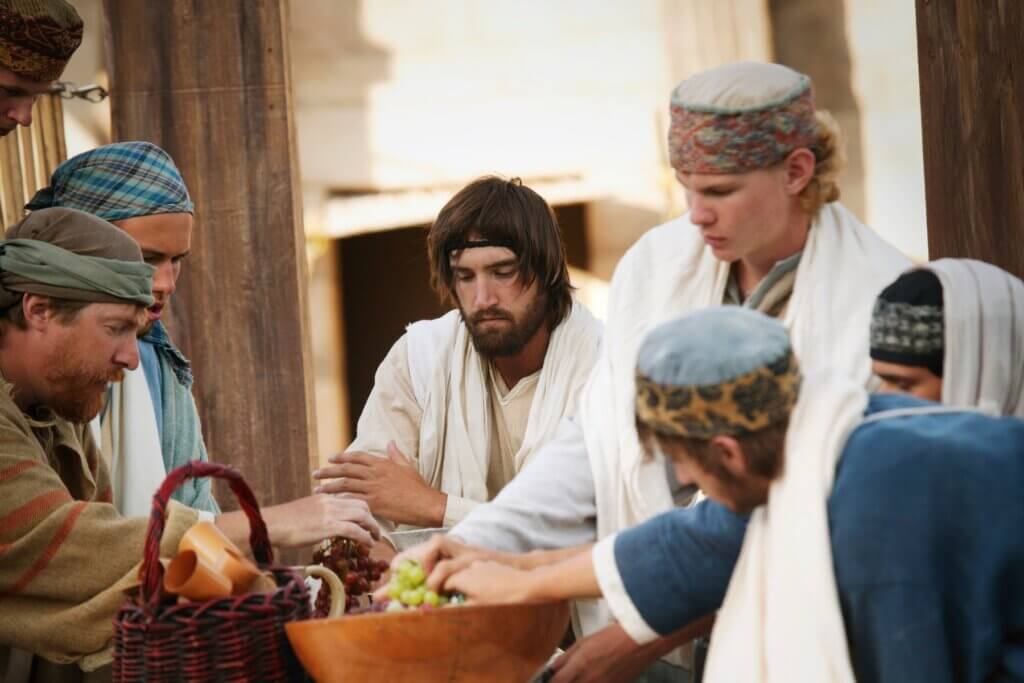
In Mark 7:1–5, the Pharisees question Jesus’ disciples because they were eating without washing their hands.
Let’s pause there.
👉 The issue is not pork
👉 The issue is not clean vs. unclean animals
👉 The issue is ritual handwashing traditions
These were man-made rules, not commands from God’s law.
Jesus’ Response: Tradition vs. Commandment
Jesus responds strongly:
“You have let go of the commandments of God and are holding on to human traditions.” (Mark 7:8)
This is a powerful moment.
He is not correcting God’s dietary laws—He is correcting man-made additions that were being treated like Scripture.
What Does “Defile” Really Mean?
Jesus then explains that what enters the body does not spiritually defile a person.
This is where many misunderstand.
The word “defile” here refers to:
👉 moral or spiritual impurity, not food classification
Jesus clarifies further:
“What comes out of a man, that defiles a man.” (Mark 7:20)
And then lists:
- Evil thoughts
- Adultery
- Pride
- Deceit
Notice something important:
👉 Pork is not mentioned
👉 Food categories are not redefined
👉 The focus is entirely on the heart
Did Jesus Actually Declare All Foods Clean?
This is the heart of the debate.
The phrase:
👉 “Thus He declared all foods clean”
is not a direct quote from Jesus.
It is a translator’s interpretation—inserted to help readers understand the passage.
But here’s the issue:
1. The Greek Structure Is Complex
The original wording can also be understood as:
👉 “Thus He cleanses all foods” (referring to digestion, not doctrine)
2. The Context Doesn’t Support It
The discussion is about:
- Eating with unwashed hands
- Human traditions
- Spiritual defilement
Not about:
- Changing God’s definition of food
3. Jesus Never Contradicts the Law
Throughout His ministry, Jesus upheld God’s commandments—not abolished them.
Important Insight: What Counts as “Food”?
This is often overlooked.
In biblical terms:
👉 “Food” already had a defined category
According to Leviticus 11:
- Clean animals = food
- Unclean animals = not food
So when Jesus speaks about “food,” He is speaking within that existing framework—not redefining it.
Supporting Scripture: Consistency Across the Bible
The Bible does not contradict itself.
Consider:
Before Mark 7
God clearly defines clean and unclean animals (Leviticus 11)
After Mark 7
In Acts 10, Peter says:
“I have never eaten anything that is common or unclean.”
This happens after Jesus’ ministry.
👉 If Jesus had already made all animals clean, Peter wouldn’t say this.
And later, Peter explains the vision is about people—not food.
Why This Matters for Your Health & Faith
This isn’t just a theological debate—it’s deeply practical.
When we misunderstand Scripture, we may:
- Dismiss principles God designed for our well-being
- Follow cultural interpretations instead of biblical truth
But when we return to context:
👉 We see a God who cares about both our hearts and our health
A Simple Summary
Let’s make it clear:
✔ Mark 7 is about traditions, not dietary laws
✔ Jesus addresses spiritual defilement, not food categories
✔ The phrase “all foods clean” is a translation interpretation
✔ Scripture remains consistent about clean vs. unclean animals
Final Thoughts: Read Scripture in Context
Mark 7 doesn’t give permission to eat anything—it gives a warning:
👉 Don’t replace God’s commands with human traditions
👉 Don’t focus on outward rituals while ignoring the heart
True health—biblically speaking—includes both:
- What we eat
- How we live
FAQ (SEO-Optimized)
Does Mark 7 say all foods are clean?
Some translations include that phrase, but it is an interpretation—not a direct statement from Jesus. The context focuses on traditions, not dietary laws.
What was Jesus talking about in Mark 7?
He was addressing ritual handwashing traditions and teaching that sin comes from the heart—not from eating with unwashed hands.
Did Jesus abolish clean and unclean foods?
There is no clear statement in Mark 7 where Jesus redefines or abolishes God’s dietary distinctions.
Why do some Christians believe pork is allowed?
Because of interpretations of passages like Mark 7 and Acts 10—but these are debated and often misunderstood.